Communities across the Caribbean are facing a humanitarian crisis in the wake of Hurricane Melissa. Give to our Hurricane Melissa Disaster Relief Fund to make a difference for those in need.

WaterAid

Thematic Focus Areas

Clean Water
Climate Resilience
Women & Girls
We transform lives by helping people in the world’s poorest communities gain access to safe water, toilets and hygiene education.

Website

EIN

30-0181674

Give Global Blog

A mother and medical professional holding a baby
Nearly half of the world’s population still live without safely managed sanitation services. Water, sanitation, and hygiene (WASH) initiatives reach beyond clean drinking water and plumbing. It may surprise you to realize that something as simple as a properly maintained latrine or bathroom can significantly improve a community’s overall quality of life. Every Nov. 19, we observe World Toilet Day to bring awareness to this issue and reduce the amount of people that are living without access to safe toilets. As you’ll see in the stories below, clean toilets reduce disease, increase gender equality, and accelerate education. Meet the folks...

Charity Photos

  • Charity: WaterAid
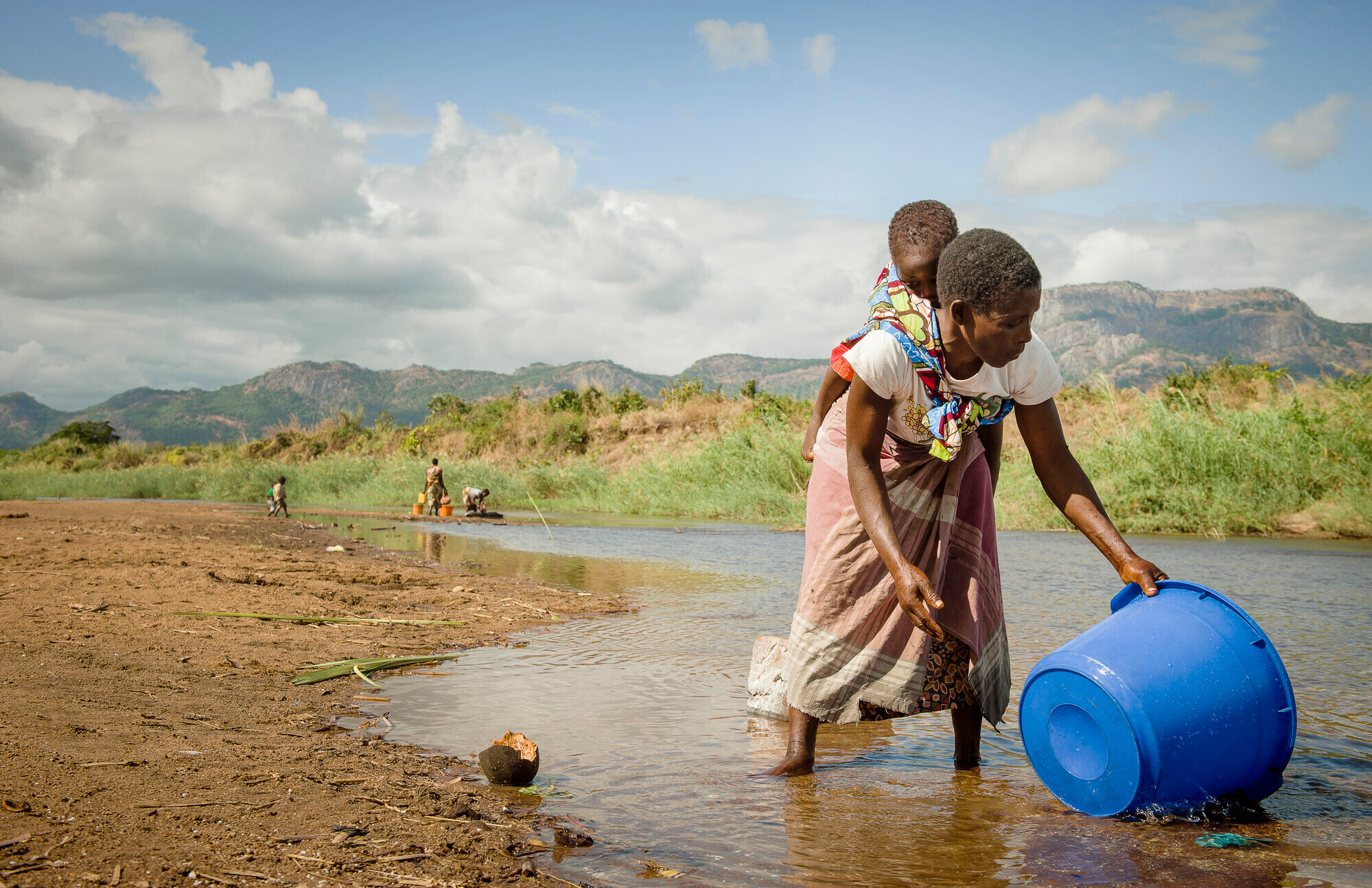
  • Country: Mozambique
  • Photo Credit: WaterAid/Eliza Powell

  • Charity: WaterAid
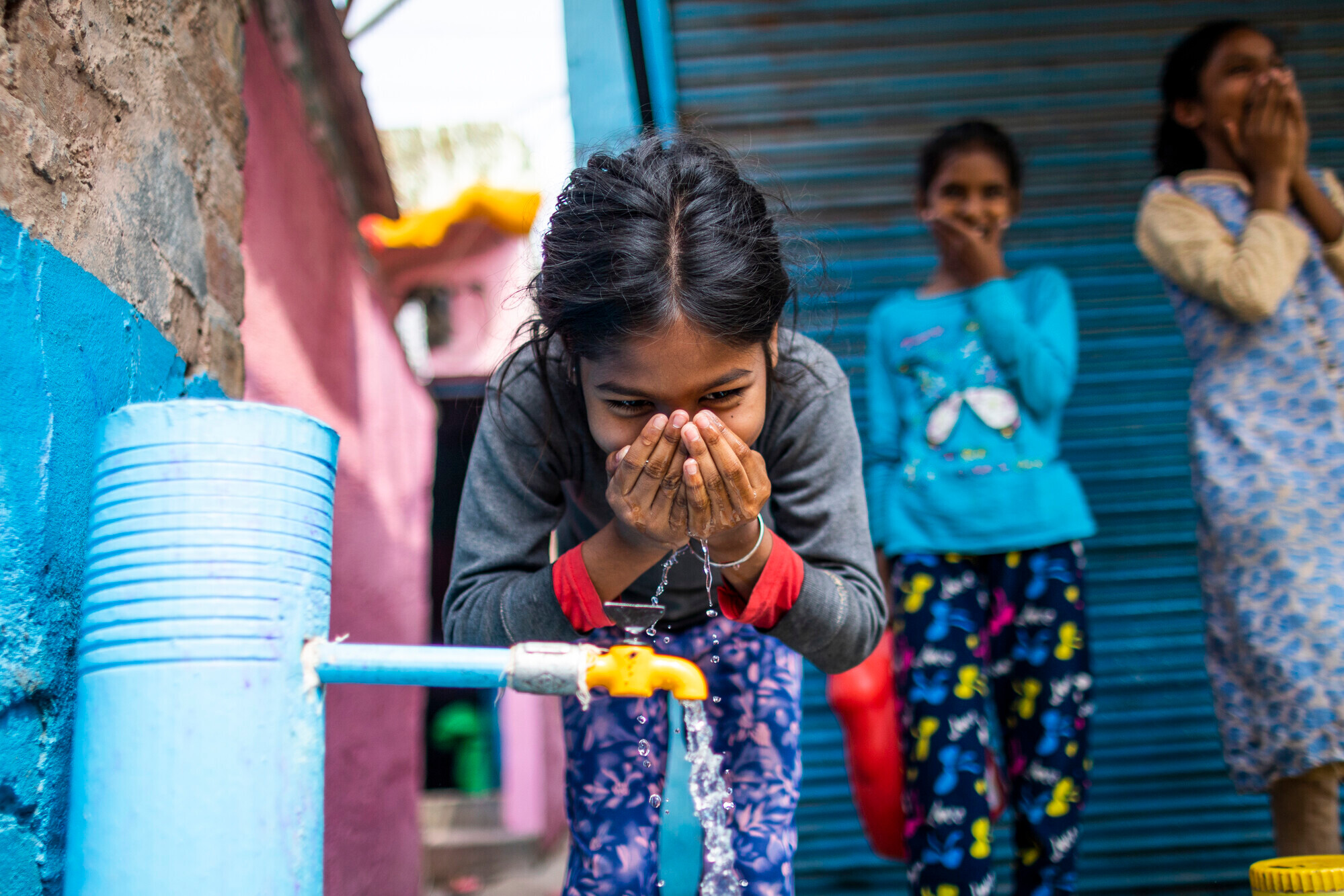
  • Country: India
  • Photo Credit: WaterAid/Srishti Bhardwaj
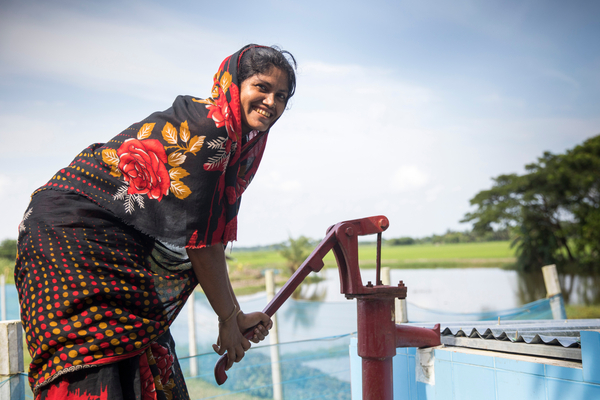
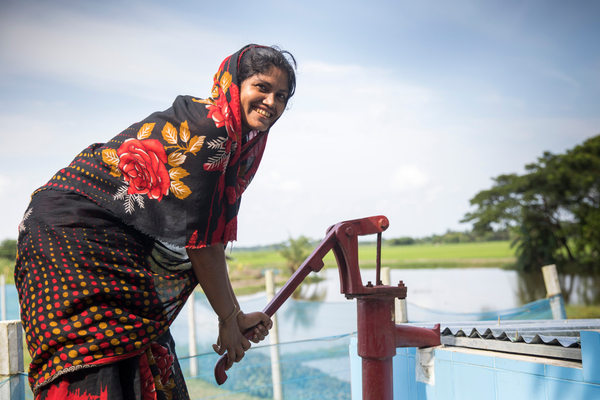
  • Title: Clean water for a family in Bangladesh
  • Charity: WaterAid
  • Photo Credit: WaterAid

Charity Videos

Charity Impact

Arsenic and excessive salt from rising sea levels poisoned Julia’s young family with every sip of water they took. The pond near the rural village where Julia, her husband and their two children live in Bangladesh is their primary source of water. But it was contaminated by the poisonous carcinogen arsenic and so high in salinity, the entire family was at risk of hypertension and high blood pressure. But Julia only had two choices: Either collect the pond water she knew was making her family sick or travel miles from her village to pump drinking water from a distant well, which caused incredible hardship. If she chose to go to the well, Julia had to carry heavy jars that were difficult to lift and caused her long-term physical pain. She also had to walk miles to and from the well, which could take all day, instead of caring for her...
Privacy Overview

This website uses cookies so that we can provide you with the best user experience possible. Cookie information is stored in your browser and performs functions such as recognising you when you return to our website and helping our team to understand which sections of the website you find most interesting and useful.