

Last month, leaders, changemakers, and partners from across sectors convened in New York to share ideas, celebrate progress, and explore opportunities for collaboration. For the team at Global Impact Ventures — including Global Impact and Geneva Global — UNGA Week was a meaningful time to connect with partners and peers and celebrate Global Impact Ventures’ $100 million commitment to help communities across the U.S. and around the globe.
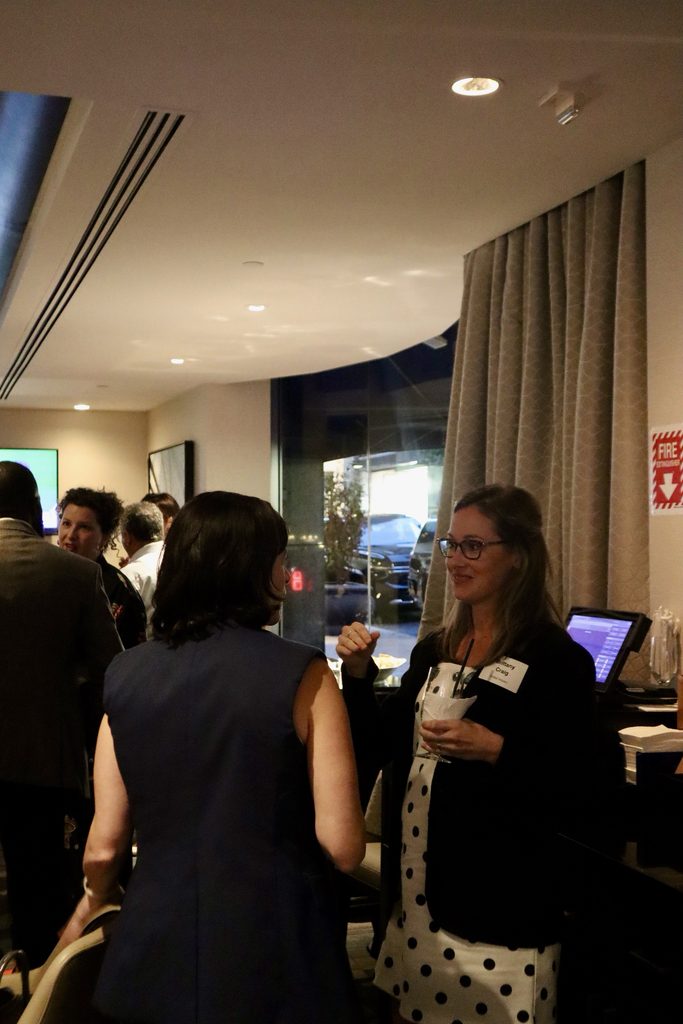
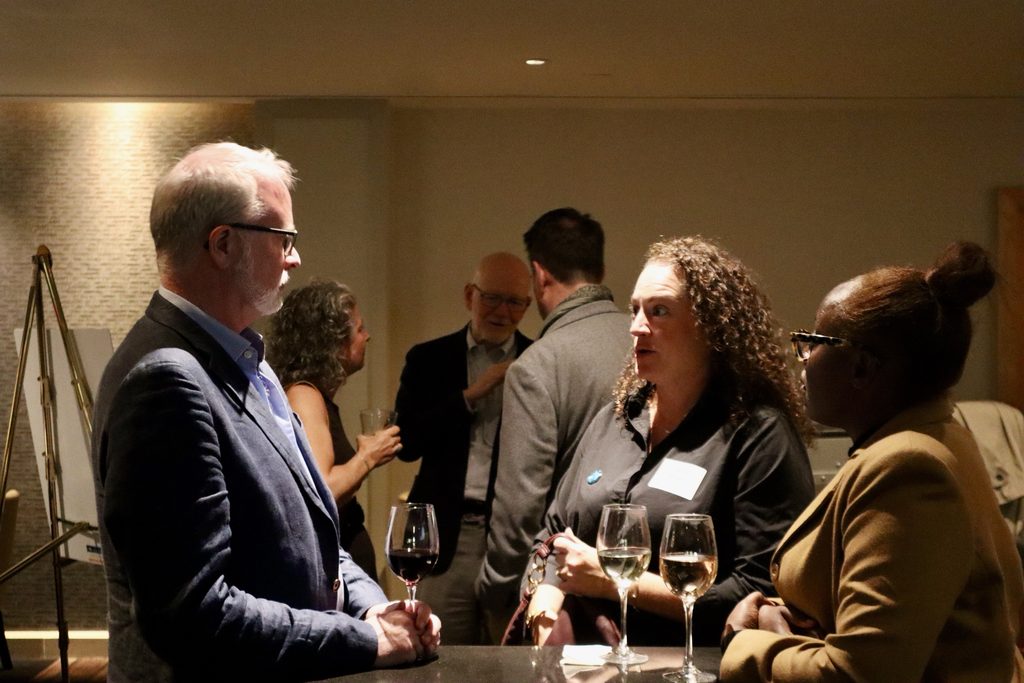
For Global Impact Ventures, one of the most valuable aspects of our time in New York is the opportunity to connect with partners and peers face-to-face. We host our annual happy hour alongside UNGA Week to strengthen existing relationships and spark new connections among the organizations in our network. Some of the most meaningful conversations happen when people working on different challenges discover shared goals, exchange ideas, and find opportunities to collaborate.
That spirit of collaboration was especially evident this year as we celebrated our commitment to mobilize and deploy $100 million in new philanthropic funding over the next three years to support solutions to urgent challenges in the United States and around the world. As communities around the globe navigate increasingly complex challenges, organizations working on the front lines often struggle to access the funding and support they need to scale their impact. Through this commitment, we will help connect philanthropic resources with organizations advancing innovative and effective solutions that improve lives and strengthen communities.
During his remarks, President and CEO Scott Jackson thanked several commitment partners helping advance work in education, economic opportunity, health, climate resilience, and humanitarian response, including Campaign for Nature, Co-Develop, Global Digital Inclusion Partnership, Learning Heroes, Micromentor, Speed School, and WomenLift Health.

The commitment was announced during UNGA Week at the Clinton Global Initiative Annual Meeting. Through CGI’s unique model, more than 10,000 organizations have launched more than 4,000 Commitments to Action — new, specific, and measurable projects and programs – that are making a difference in the lives of more than 500 million people in 180 countries.

Global Impact’s Sabrina Romero (center) onstage as Global Impact Ventures’ commitment is announced at Clinton Global Initiative (Photo by JP Yim/Getty Images for Clinton Global Initiative).
“We’re proud to work with organizations advancing solutions to today’s most pressing challenges. This commitment is about helping more resources reach those efforts so they can continue to grow their impact.” – Global Impact President & CEO Scott Jackson
Global Impact Ventures’ team members at CAF America’s International Giving Reception.
Throughout the week, team members also participated in panels, roundtables, receptions, and networking events, engaging in thoughtful discussions on today’s most pressing challenges while supporting and learning from partners across sectors.
Geneva Global’s Khayriyyah and Christa also contributed to the week’s dialogue by moderating two of The Sidebar discussion sessions on crisis response and trust-based philanthropy, helping participants explore how stronger relationships can lead to more effective, community-centered funding approaches.


As UNGA Week came to a close, we left energized by new connections, fresh ideas, and a renewed commitment to advancing impact alongside our partners in the months ahead.